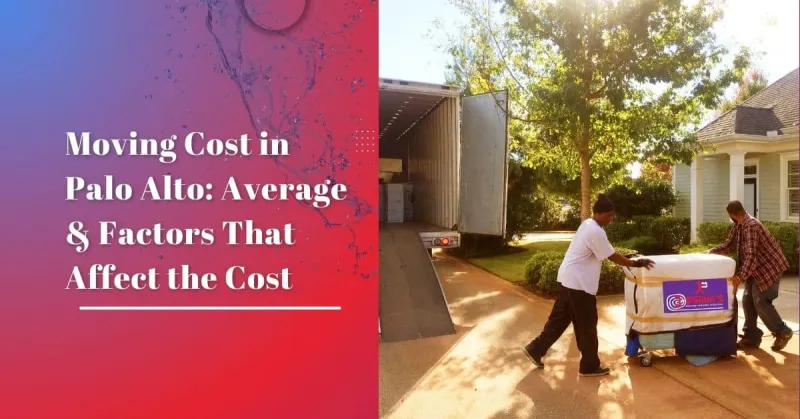
Relocating from Palo Alto to San Francisco typically stems from professional advancement, networking opportunities, or lifestyle aspirations. The city attracts those seeking innovation, cultural experiences, and access to a broader talent pool.
Why People Make the Move
San Francisco hosts an energetic professional community centered on innovation and ambition. While Palo Alto claims tech giants, the city offers distinct networking advantages and startup culture. Companies relocating here gain competitive hiring advantages, particularly when attracting talent who prefer urban employment and residence.
The Lifestyle Shift: What You Gain (and Give Up)
San Francisco delivers constant cultural stimulation through galleries, live music, outdoor activities, and markets. The faster pace and diversity appeal to creative professionals. However, relocation involves trade-offs: increased traffic, compact living spaces, and elevated cost of living. Many clients report the experiential benefits outweigh these compromises.
Family Life & School Options
Neighborhoods like Noe Valley, Outer Sunset, and Richmond District offer quality schools and family-friendly environments. While housing costs climb in desirable school zones, families gain access to museums, parks, and cultural festivals.
How to Move: Your Options
Full-Service Movers: Professional teams handle all packing, transportation, and setup—ideal for time-constrained individuals and business owners.
DIY Move: Complete control with rental trucks; requires personal labor and SF navigation skills.
Moving Containers: Flexible loading timeline with scheduled delivery; useful during lease transitions.
Storage Solutions: Temporary space addresses timing mismatches between old and new locations.
Mix-and-Match: Combine approaches (self-packing with professional loading) based on specific needs.
What Will This Move Really Cost?
Monthly Living Expense Comparison:
| Category | Palo Alto | San Francisco |
|---|---|---|
| 1-bedroom rent | $2,800 | $3,500 |
| Utilities | $150 | $200 |
| Groceries | $400 | $500 |
| Transit pass | $90 | $100 |
Additional moving expenses include professional services, packing supplies, truck rentals, cleaning fees, utility deposits, and parking permits. Summer season typically commands premium pricing due to demand.
Pros and Cons of Making the Move
Advantages:
- Expanded talent acquisition networks
- Continuous professional networking events
- Rich cultural and entertainment options
- Startup ecosystem innovation
- Collaborative business environment
Challenges:
- Significantly higher living costs
- Traffic congestion and limited parking
- Constant urban noise and activity
- Intense job market competition
Your Step-by-Step Moving Timeline
Four Weeks Prior:
- Sort belongings; identify donations and discards
- Create comprehensive checklists
- Reserve movers early for scheduling flexibility
Three Weeks Prior:
- Pack non-daily-use items (books, seasonal clothing, decor)
- Label all boxes with room destinations and contents
- Notify USPS, employers, banks, and subscription services
Two Weeks Prior:
- Schedule utility setup/cancellation
- Pack essential belongings (toiletries, chargers, basic clothing)
- Confirm logistics with moving company
One Week Prior:
- Complete packing
- Clean vacated space
- Document valuable items photographically
Moving Day:
- Prepare materials by 8:30 AM for 9:00 AM arrivals
- Conduct final walkthrough of all spaces
- Remain hydrated throughout process
Moving Day in San Francisco: Parking & Permits
Each neighborhood operates distinct parking regulations. Many areas enforce permit-only zones, street-cleaning restrictions, and no loading/unloading windows.
SFMTA temporary permits allow reserved truck parking. Applications require 5+ business days advance notice and modest fees—significantly cheaper than parking violations.
Reserve larger spaces than anticipated; moving trucks exceed expected dimensions. Mid-morning to early-afternoon timing avoids rush-hour congestion and school-pickup traffic.
Where to Live: Finding Your Perfect SF Neighborhood
For Young Professionals: SoMa, The Mission, Hayes Valley offer walkability, nightlife, galleries, and startup culture with BART access.
For Families: Noe Valley, Inner Sunset, Outer Richmond provide quieter residential environments, parks, quality schools, and community-oriented neighborhoods.
For Scenic Views & Charm: Nob Hill, Pacific Heights, Marina feature postcard-worthy streets, historic character, and views—with corresponding premium pricing.
Settling In
Update your address with USPS, banks, the DMV, and insurance providers. Establish utilities (PG&E, SFPUC, Recology) and arrange internet service. Complete 1-2 tasks daily rather than overwhelming yourself with everything at once.
Most people experience breakthrough moments—recognizing favorite spots, greeting familiar faces—that signal genuine settlement. Give yourself time to adjust.